Mindflash is now Learn, part of the new Trakstar Trifecta alongside Hire and Perform
Learn more about how the Trakstar platform is revolutionizing talent management through integrated, flexible solutions.

Learn more about how the Trakstar platform is revolutionizing talent management through integrated, flexible solutions.








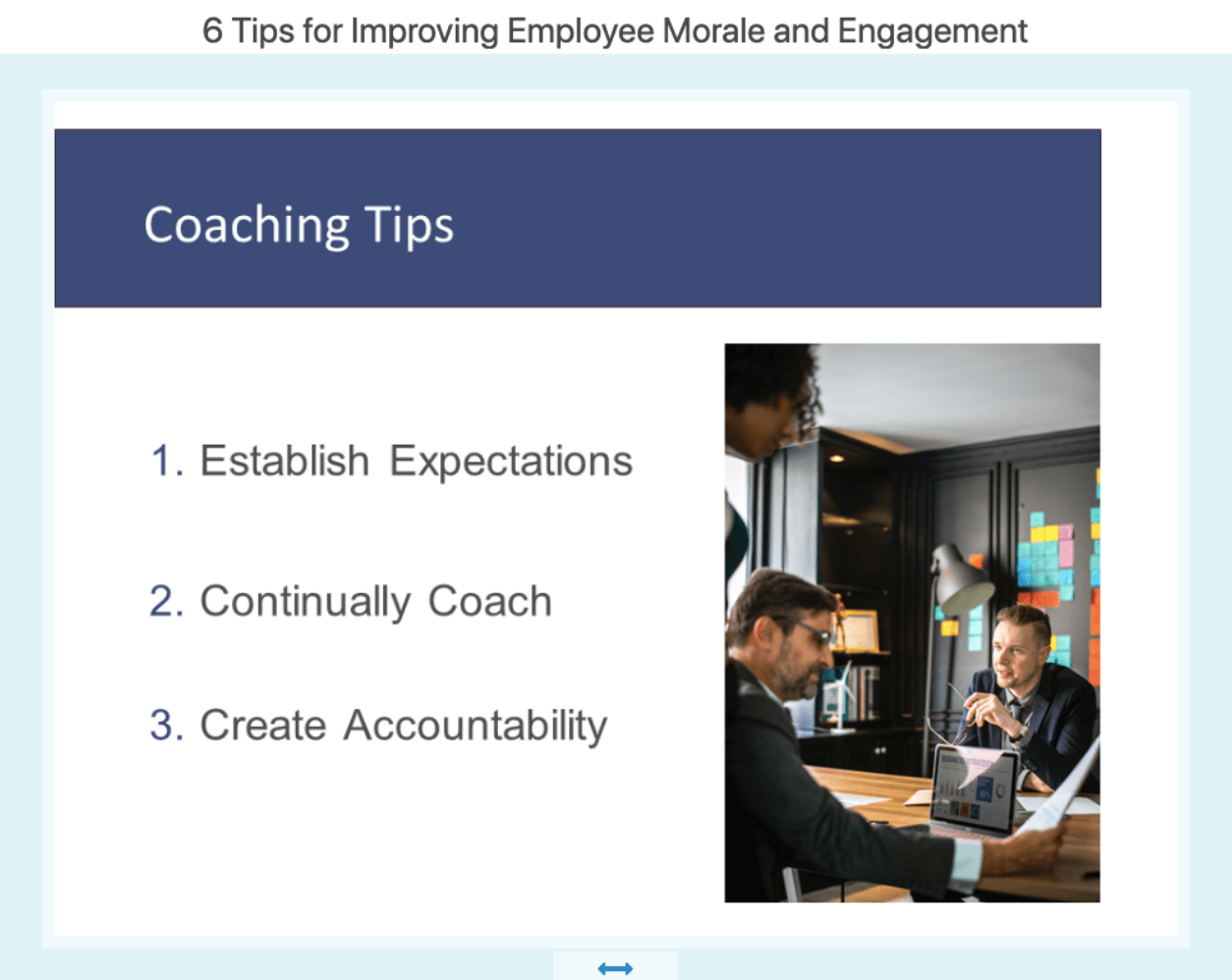
Create a more dynamic and effective onboarding and training program. Create new course content or import your existing course content with the Trakstar Learn Perfect Content Conversion. Preserve your rich course content and materials while building captivating training content. Your animations, slide builds, embedded videos, and audio are all retained and perfectly converted upon upload. It's online course creation made easy.
Learn more about online learning management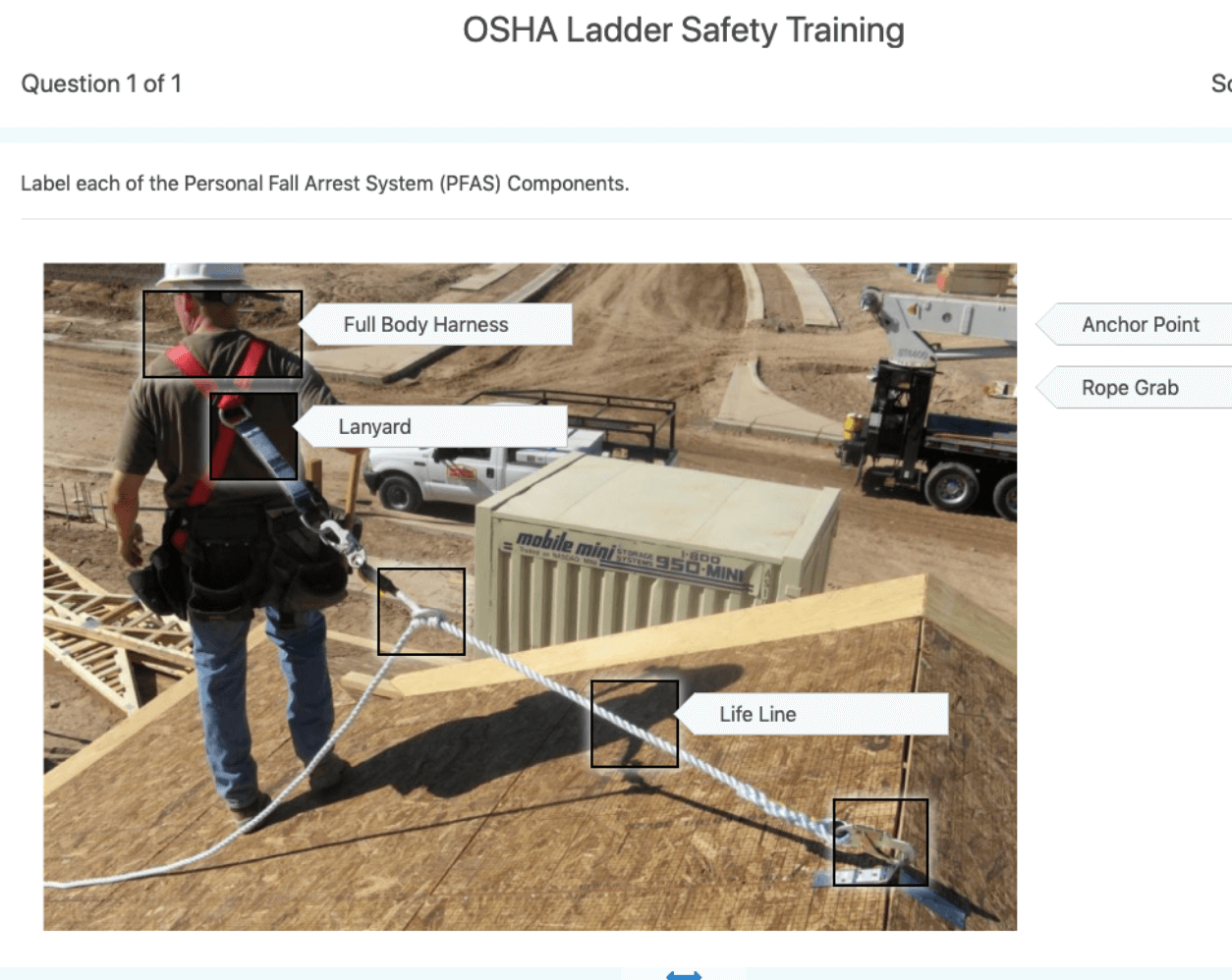
Enhance the learning experience an encourage knowledge retention with quizzes and assessments in Trakstar Learn. Leverage an array of user-friendly pre-built quiz templates such as multiple-choice, sequencing, labeling pictures, true or false, open-ended surveys, and more.
Read more about our quizzing options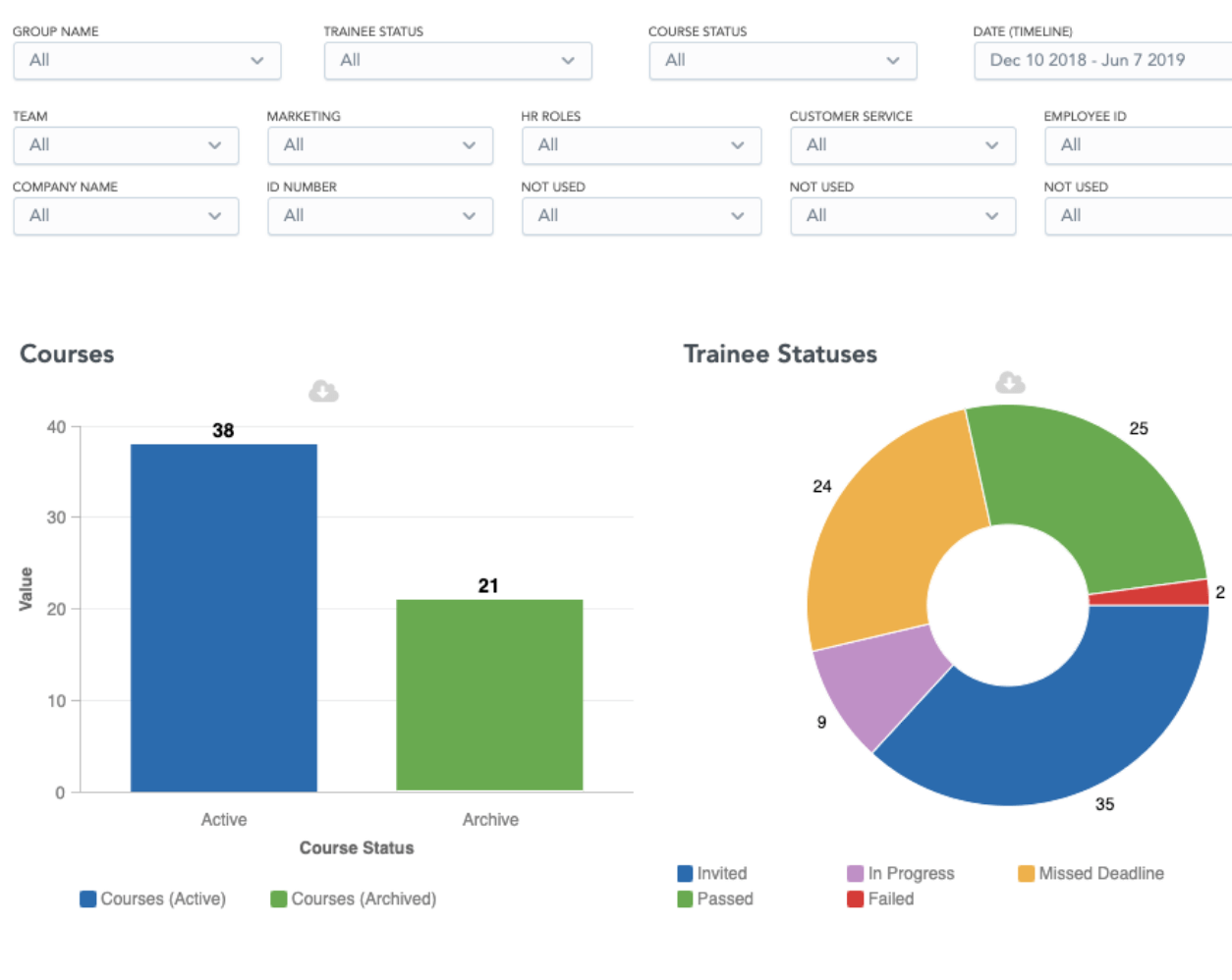
Gather quick insights with Trakstar Learn learning management system (LMS) dashboards and track and measure elearning metrics that matter the most for your business with reporting. Advanced reporting capabilities are available as well to deliver key elearning analytics for management reporting.
Make smart decisions with reportingEmployee training across an enterprise comes with a unique set of challenges. In-person employee training is often difficult to coordinate and is expensive. The Trakstar Learn takes the stress out of employee training, leaving you more time to focus on what’s important. Your employees will retain information better by learning at their own pace in a user-friendly online training environment. Additionally, employees on-the-go can access learning content from your corporate LMS on their mobile devices.
Learn more →

From training in bloodborne pathogens to HIPAA regulations to smoking cessation to post-surgical wound care, the learning material needed at your local hospital or clinic is both varied and vast. More importantly, this training is vital for both staff and patients. With the Trakstar Learn, healthcare facilities can create online courses that convey complex learning content in compelling ways, document trainee scores, and demonstrate regulatory compliance. The Trakstar Learn enables you to provide training materials to your patients as well.
Learn more →The Learn learning management system is tailored to the specific needs of your government organization. Create, manage, and track engaging elearning training content in a secure online environment. Produce or upload training content in online courses related to skills gaps, compliance training, professional development, and more. Add assessments and quizzes to gauge learning outcomes and create a more well-rounded training program.
Learn more →

"Right away, I realized how intuitive Learn is. It’s robust in what it offers yet is still so easy to use."
Tonya Marley, MLS Administrator
E-Learning Courses
Interactive Learning
Mobile Learning
Business Training
IT Training
Training Management
Agents & Advisors
Contractors
Customers
Franchise
Partners
Real Estate Brokers
Resellers
Employees
Leadership
Trakstar is a multi-product HR software provider helping organizations put the people back in people management. Develop and align your staff through better recruiting and applicant tracking, performance management, and learning management. For a more integrated solution to talent management, check out our website and request a live demonstration today.